
Tips for Creating a Comfortable and Productive Home Office Space
Creating a home office that is both comfortable and productive is essential for anyone working remotely or spending a significant amount of time at home on work-related tasks. A well-designed workspace can help you stay focused, reduce stress, and support your overall well-being. Here are some helpful tips to guide you in setting up a home office that maximizes your comfort and work efficiency.
Choose the Right Location
Selecting the perfect spot for your home office is the first step in creating an effective workspace. Ideally, pick a quiet area away from high-traffic zones in your home to minimize distractions. If possible, choose a room with a door that you can close to maintain privacy during calls and focused work periods.
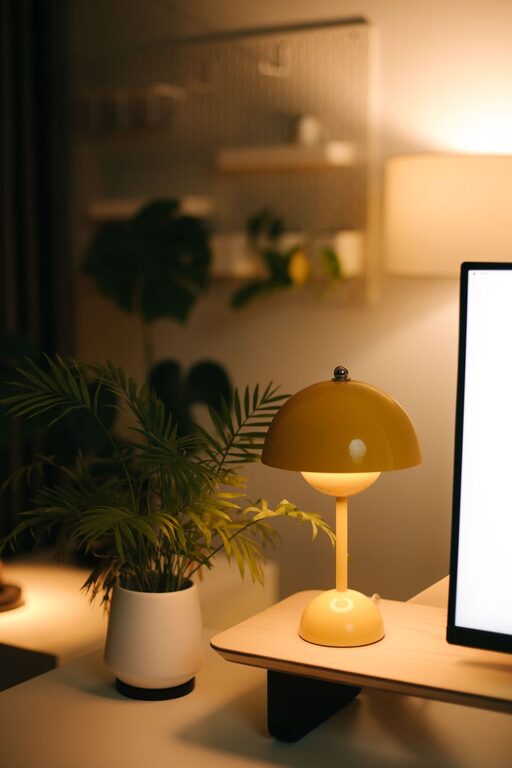
Natural light is a valuable asset in any workspace. Position your desk near a window to take advantage of daylight, which can improve mood and reduce eye strain. If natural light is limited, invest in soft, adjustable lighting to keep your space bright and inviting.
Invest in Ergonomic Furniture
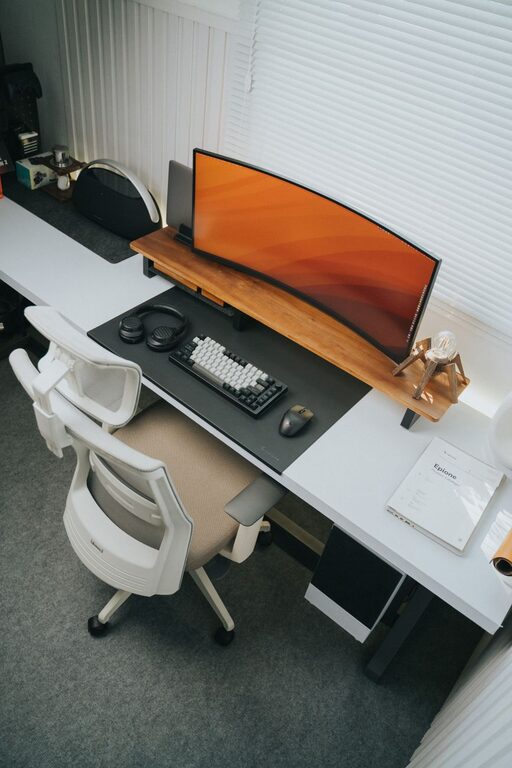
Comfort plays a crucial role in productivity, and ergonomic furniture can make a significant difference. Choose a chair that supports your lower back and promotes good posture. Look for adjustable chairs that allow you to set the height and tilt to match your body’s needs.
A desk with ample surface area helps you organize your workspace without feeling cramped. Consider an adjustable-height desk so you can alternate between sitting and standing during the day—a practice that can enhance circulation and reduce fatigue.
Organize Your Workspace Efficiently
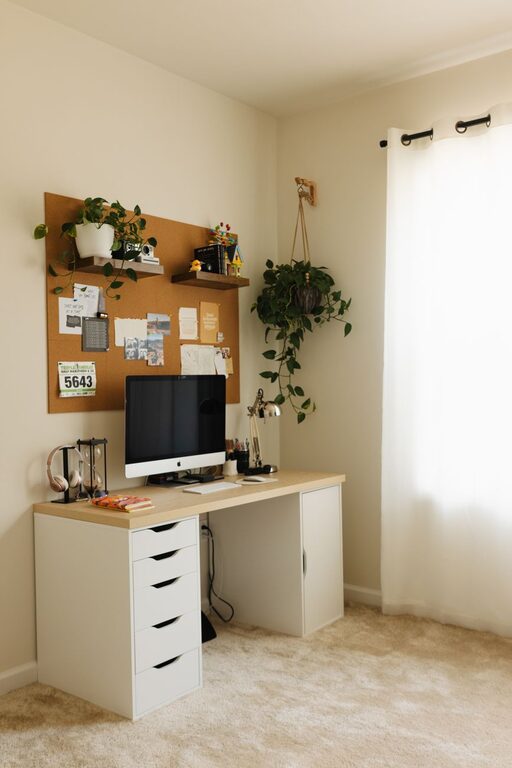
A tidy and well-organized workspace can boost your focus and reduce stress. Use storage solutions such as shelves, drawers, and desk organizers to keep supplies and equipment neatly arranged.
Keep only essential items on your desk to prevent clutter. Use cable management tools to keep wires under control and out of sight. Labeling storage containers and files makes it easier to locate documents quickly and stay organized.
Personalize Your Space
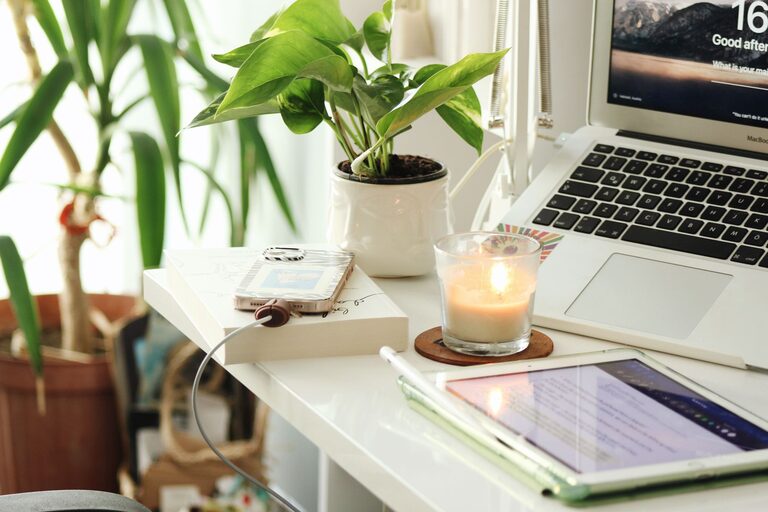
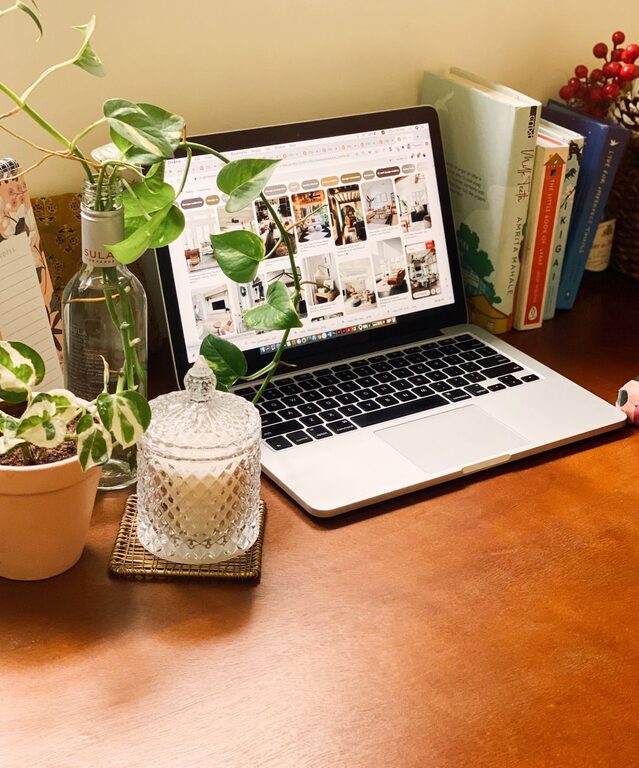
Personal touches can make your home office feel more welcoming and motivating. Incorporate items that inspire you, such as artwork, plants, or a vision board. Plants not only enhance aesthetics but also improve air quality and promote relaxation.
Choose colors and decor that make you feel calm and energized. However, avoid overly bright or distracting decorations that might take focus away from work.
Optimize Technology and Equipment
Make sure your home office is equipped with reliable technology to facilitate smooth work processes. Invest in a high-speed internet connection and test your wireless setup for stability.
Set up your computer or laptop with necessary peripherals such as an external keyboard, mouse, and monitor(s) to expand your screen space and reduce eye strain. Noise-canceling headphones can help minimize background noise, especially if you share your home with others.
Maintain a Comfortable Environment
Temperature, lighting, and ergonomics all contribute to a comfortable workspace. Use a fan or heater to maintain a pleasant temperature according to the season.
Adjust monitors and lighting sources to prevent glare on your screen. Consider anti-glare screen protectors if necessary. Keep a water bottle nearby to stay hydrated and take short breaks to stretch and relax your eyes.
Establish a Routine
A well-defined work routine helps set boundaries between work and personal life. Set consistent working hours and create rituals to signal the start and end of your workday, such as a morning coffee or a brief walk.
Take regular breaks using methods like the Pomodoro Technique, which involves working for focused periods followed by short rests. This approach can enhance concentration and prevent burnout.
Pay Attention to Sound and Privacy
Minimize distractions by controlling noise levels in your home office. Use rugs, curtains, or acoustic panels to absorb sound if your space echoes.
Inform household members of your work schedule and establish “do not disturb” times to ensure uninterrupted focus. If noise remains an issue, noise-canceling headphones or white noise machines can offer valuable relief.
Keep Work and Personal Life Separate
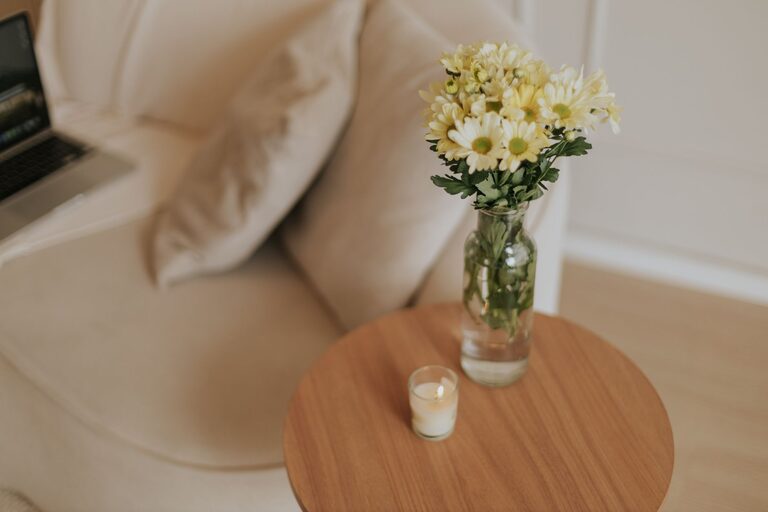
Maintaining clear boundaries between your work life and home life is crucial when working remotely. Avoid working from places associated with relaxation, like your bed or couch. Instead, reserve your home office exclusively for work.
When the workday ends, step away from your workspace and focus on leisure or family time. This helps signal to your brain that work is done, promoting a healthier work-life balance.
—
Creating a home office that balances comfort and productivity requires thoughtful planning and ongoing adjustments. By choosing the right space, investing in ergonomic furniture, organizing efficiently, and setting clear routines, you’ll build a workspace that supports your success and well-being. Remember that your needs may evolve, so stay flexible and make changes as needed to keep your home office a place where you enjoy working every day.